Dolines
— DOlines—
Karst & Doline Refugia
Dolines create cooler and moister conditions than the surrounding areas
Karst is a type of landscape formed in soluble rocks, such as limestone, dolomite, or gypsum. These rocks dissolve over time through exposure to slightly acidic water, creating a complex landscape that can include sinkholes, caves, and underground waterbodies such as streams and springs. Karst landscapes are often, but not exclusively, found in mountainous areas.
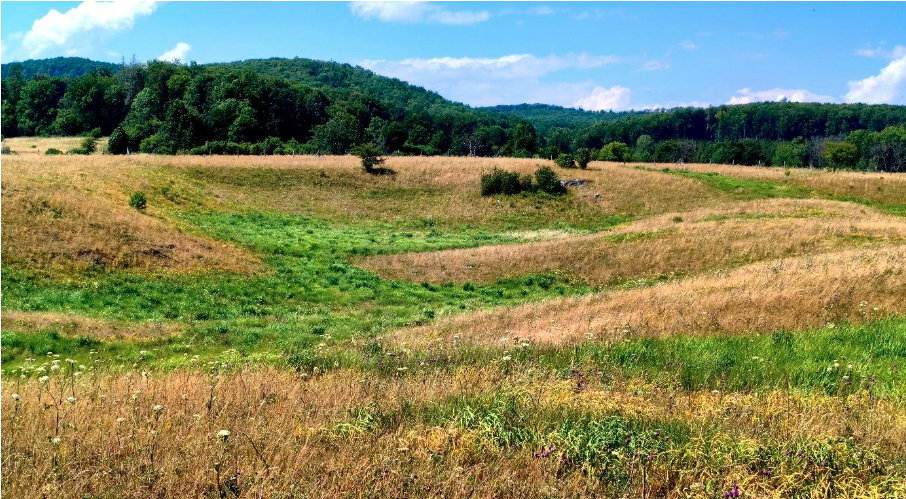
Dolines are topographic depressions in karst landscapes. They can trap cold air, allowing them to remain cooler and more humid than the surrounding areas and, creating microclimates that can act as climate refugia. Their topographic complexity creates a diversity of environmental conditions over short distances, enabling dolines to function as “biodiversity hotspots”.
Species composition differs between dolines and the surrounding plateaus
Dolines provide habitats for a wide variety of organisms, including soil microbiota, vascular plants, soil invertebrates, insects, and mammals. The community composition of ants, terrestrial snails, vascular plants, and soil microbiota species differs considerably between dolines and the surrounding plateaus, particularly at the bottom of dolines (Bátori et al., 2026). The cooler and moister environments within dolines, together with the diversity of environmental conditions created by their topographic complexity, may allow organisms to persist in suitable microhabitats over short distances. Therefore, dolines may play an important role in maintaining relict populations.
It’s worth noting that disturbances may have meaningful impacts on the capacity of dolines to act as refugia. Major disturbances, such as clear-cutting, can have lasting impacts, and biodiversity may take an extended period to recover (Bátori et al., 2026). In contrast, smaller-scale disturbances may benefit certain species by increasing habitat heterogeneity. For this reason, disturbance history is an important consideration in conservation planning for these unique ecosystems.
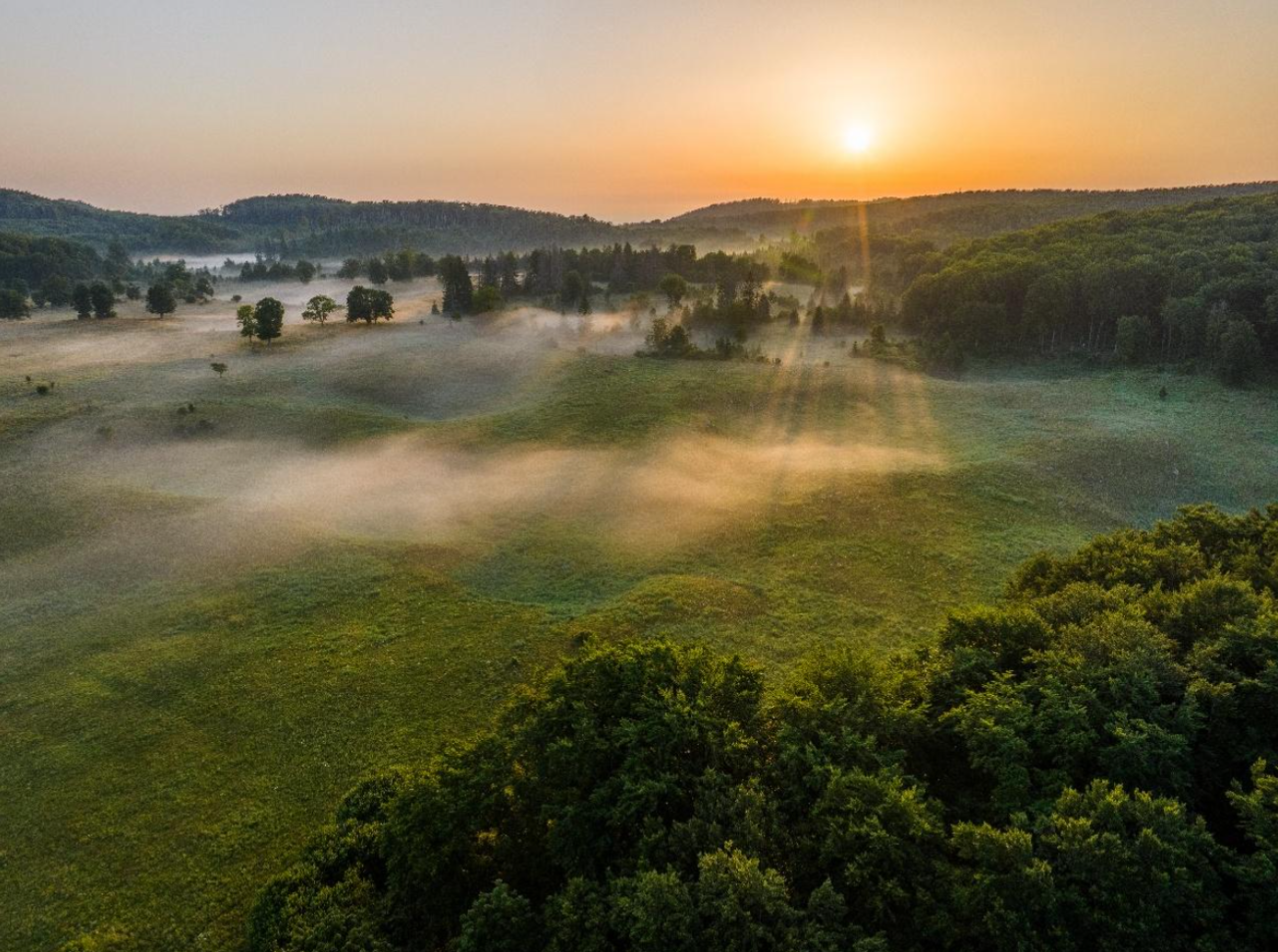
Fig. 1. Doline field in the Bükk Mountains (Hungary), early in the morning. (photo: Gábor Li)
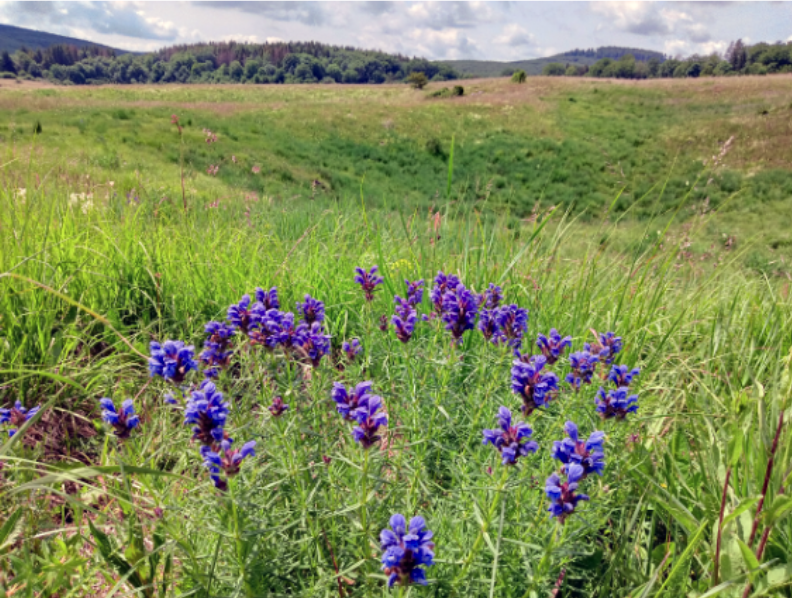
Fig. 2. The relict population of Dracocephalum ruyschiana on the north-facing slope of a grassland doline in the Bükk Mountains (Hungary) – a remnant of a cooler climatic period. (photo: Zoltán Bátori)
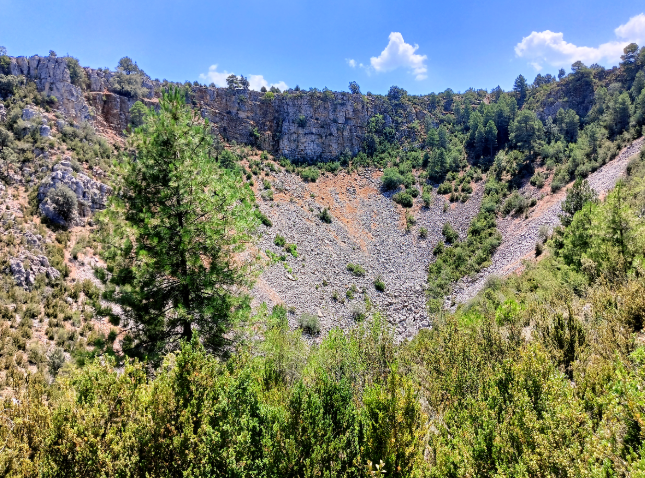
Fig. 3. A doline with structurally diverse vegetation near Lagunaseca (Spain). (photo: Zoltán Bátori)
— references —
Bátori, Z., Frei, K., Páll-Gergely, B., Wirth, R., Maák, I. E., Lőrinczi, G., Lőrincz, Á., Tölgyesi, C., Ratkai, B., Krivács, Z., Li, G., Karasz, É., Környei, V., Bodor, A., Kun-Péter, É., Maróti, G., Barta, K., Molnár, N., & Keppel, G. (2026). Disturbance and topography shape the capacity of microrefugia to support unique biodiversity. Ecological Indicators, 185, 114797. https://doi.org/10.1016/j.ecolind.2026.114797