Dolines Coming Soon Page
— DOlines—
Karst & Doline Refugia
Dolines create cooler and moister conditions than surrounding areas
Karst is a rock landform made up of soluble rock, such as limestone, dolomite, or gypsum. The soluble rock dissolves over time as exposed to rainwater, creating a complex landscape that can include sinkholes, caves, and underground waterbodies such as streams and springs. Karst can often, but is not always, found in montane areas.
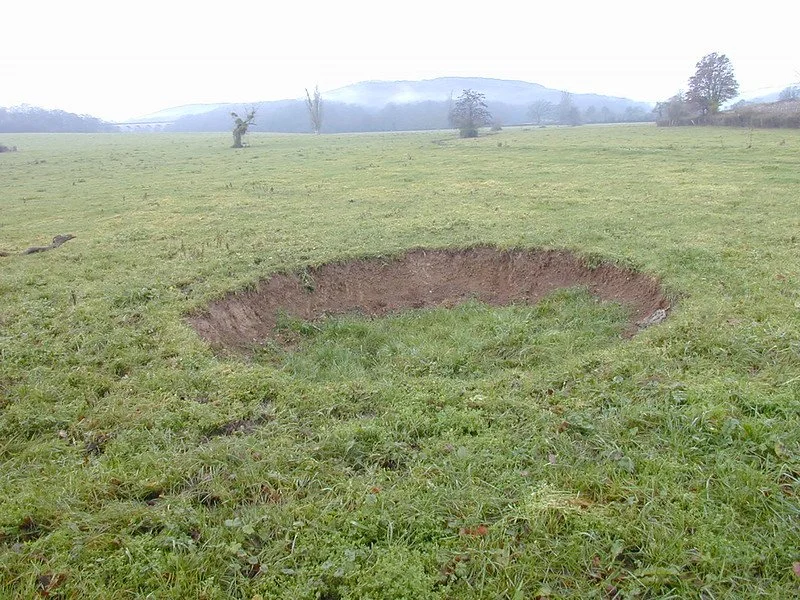
Dolines are topographic depressions in karst landscapes. These dolines can trap cool air, enabling them to remain cooler and more moist than surrounding areas, creating a microclimate that acts as a climate refugium. Their topographic complexity creates a diversity of environmental conditions in a short distance, enabling dolines to act as “biodiversity hotspots.”
Doline species composition varies from surrounding plateaus
Dolines are habitat to a wide variety of organisms, including soil microbiota, soil invertebrates, vegetation, trees, insects, and mammals. Community composition of ants, terrestrial snails, vascular plants, and soil microbiota species vary significantly between dolines and surrounding plateaus, particularly at the bottom of dolines (Bátori et al., 2026). The cooler and moister environment created by dolines and the diversity of environmental conditions created by their topographic complexity may allow organisms to retain or migrate to suitable habitat within a short distance.
It’s worth noting that disturbances can have a meaningful impact on the capacity of dolines to act as refugia. Major disturbances, in particular, such as clear felling, can have lasting impacts that may take an extended period for biodiversity to recover from (Bátori et al., 2026). On the other hand, smaller disturbances or habitat fragmentation can have a positive impact of retaining some species by increasing habitat complexity (Bátori et al., 2026). Because of this nuance, disturbance history is important context for conservation planning efforts in these ecosystems (Bátori et al., 2026).
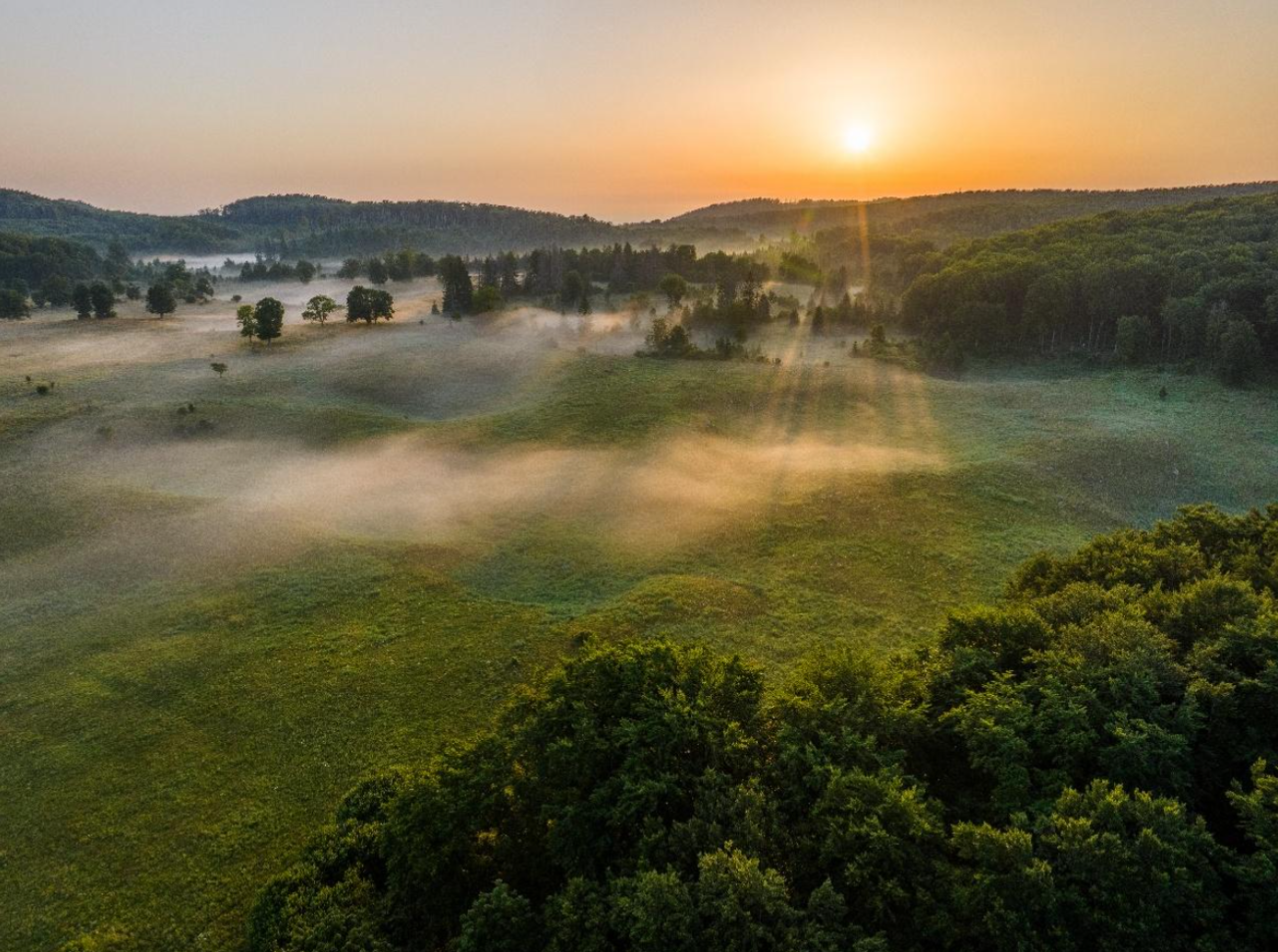
Fig. 1. Doline field in the Bükk Mountains (Hungary), early in the morning. (photo: Gábor Li)
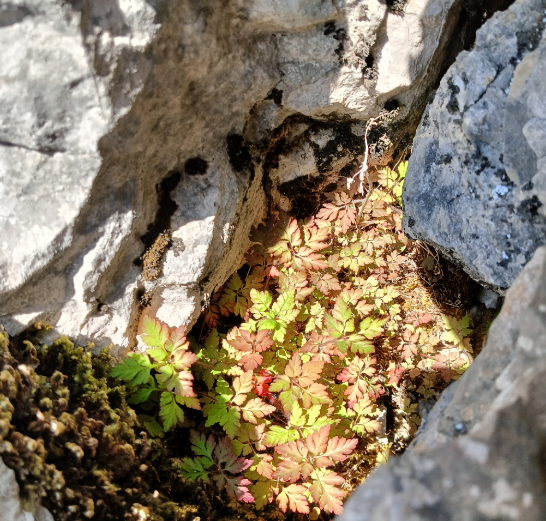
Fig. 3. Geranium robertianum, a common species in Europe, growing in a rock crevice at the bottom of a large doline near Lagunaseca (Spain), where cold air flows upward, creating cooler and moister conditions in an otherwise warm and dry landscape. (photo: Zoltán Bátori)
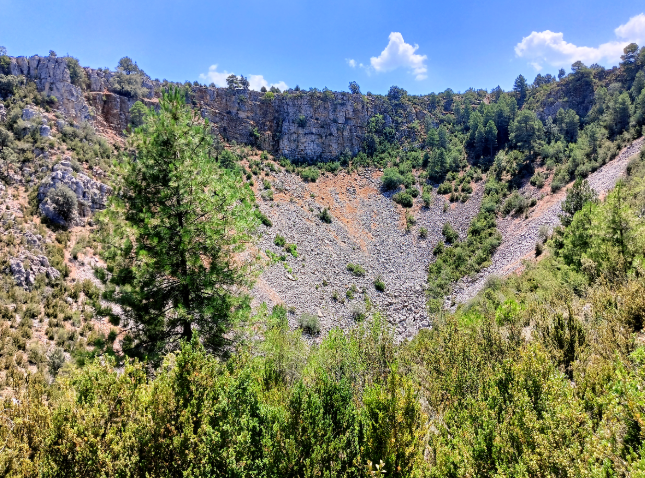
Fig. 6. A doline with structurally diverse vegetation near Lagunaseca (Spain). (photo: Zoltán Bátori)